

When a tree falls on your property, you’re left with more than just memories—you’ve got a stump that needs to be dealt with. Properly managing a tree stump isn’t just about making your yard look nice; it’s also about preventing pests, getting rid of tripping hazards, and freeing up space for future landscaping projects.
You have two main options for dealing with a tree stump: tree stump grinding and tree stump removal. Each method has its own advantages and things to consider that could affect your property, budget, and timeline.
Tree stump grinding involves using special equipment to mechanically break down the stump into wood chips, while tree stump removal involves digging out the entire stump and root system from the ground. The choice between these methods depends on several factors that are specific to your situation.
This guide will help you make a decision by looking at the practical aspects, costs, and long-term effects of each method. This way, you can choose the option that best fits your needs and circumstances.
Understanding Tree Stump Grinding
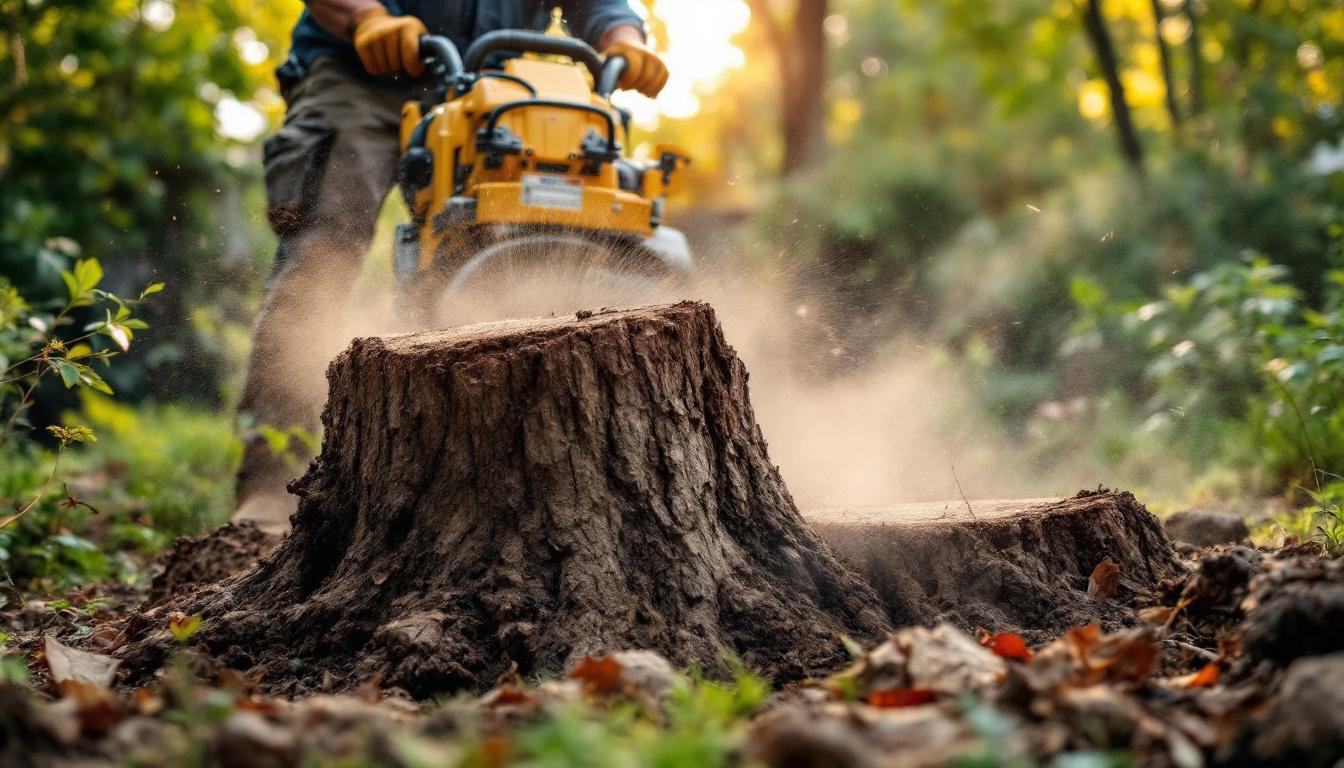
Stump grinding is a process that involves using specialized machines with rotating cutting discs to systematically chip away at the stump material. These powerful machines, operated by professional arborists, have carbide-tipped teeth that pulverize the wood into small chips. The grinding action starts from the surface and works its way downwards, ensuring a controlled reduction of the stump structure.
How Deep Does Stump Grinding Go?
Most professional stump grinder equipment can grind stumps 6 to 8 inches below ground level. This depth is usually sufficient for most residential applications, allowing you to plant grass or install landscaping features over the treated area. The time it takes for the grinding process can vary depending on the size and hardness of the stump, typically ranging from 30 minutes to several hours.
Why Choose Stump Grinding?
There are several reasons why homeowners find stump grinding appealing:
- Speed and efficiency – Most jobs can be completed within a single day
- Cost-effective solution – Significantly less expensive than completely removing the stump
- Minimal yard disruption – No large holes or extensive cleanup required
- Immediate pest prevention – Eliminates breeding grounds for insects and fungi
- Usable wood chips – Grinding produces mulch material that can be used in gardens
One of the advantages of stump grinding is that it leaves the root system intact beneath the surface. Over time, these remaining roots naturally decompose, usually within 3 to 10 years depending on the type of tree and soil conditions. This gradual decay process enriches the soil without any additional effort needed from you.
Understanding Tree Stump Removal
The stump removal process involves completely excavating the entire stump and its root system from the ground. This comprehensive approach requires heavy equipment usage including excavators, bulldozers, and specialised digging machinery to access and extract the extensive root network that can spread several metres underground.
Professional arborists use powerful hydraulic equipment to break apart the root ball and lift the entire structure from the soil. The root extraction process requires significant manual labour as workers must carefully navigate around utilities and property features while ensuring complete removal of all root material.
This method takes substantially more time than grinding, often taking a full day or multiple days depending on the tree size and root complexity. The financial investment reflects this intensity – complete removal typically costs 2-3 times more than grinding due to the specialised equipment and extended labour requirements.
The aftermath creates considerable disruption to your property landscape. Large excavation holes remain where the stump once stood, requiring immediate attention to prevent safety hazards. You’ll need to source quality topsoil to backfill these cavities, followed by careful compaction and levelling to restore the ground surface. The surrounding area often suffers from soil compaction and surface damage from heavy machinery movement, necessitating additional restoration work to return your yard to its original condition.
Key Factors to Consider When Choosing Between Grinding and Removal Methods
Here are some key factors to consider when deciding between stump grinding and stump removal methods:
1. Budget considerations
Budget considerations play a crucial role in determining your preferred approach. Stump grinding typically costs between £150-£400 per stump, whilst complete removal ranges from £300-£800 depending on size and root complexity. You’ll find grinding offers immediate savings, particularly when dealing with multiple stumps across your property.
2. Yard usage plans
Your yard usage plans directly influence the most suitable method. Planning to install a swimming pool, construct an extension, or establish new garden beds requires complete root system elimination. Stump grinding leaves underground roots that may interfere with future excavation work or cause structural complications. Conversely, if you’re maintaining existing landscaping or simply want to eliminate the visible stump, grinding provides adequate results.
3. Aesthetic preferences
Aesthetic preferences vary significantly between methods. Grinding creates a natural depression filled with wood chips that blends seamlessly into surrounding landscape design. Complete removal leaves substantial holes requiring soil, seeding, and several months for grass establishment. You’ll need to factor restoration time into your visual expectations.
4. Timeline for project completion
Timeline for project completion differs markedly between approaches. Professional grinding services complete most residential jobs within 2-4 hours, allowing immediate use of surrounding areas. Full removal projects span 1-2 days, followed by weeks of soil settling and grass growth before achieving desired appearance. Your scheduling constraints should guide method selection based on urgency requirements. Check out more about Tree Arborists: Why You Should Always Hire Certified Professionals.
Practical Applications and Suitability of Each Method
Residential Yard Maintenance
Stump grinding is a great choice for maintaining residential gardens. Its efficient method allows most projects to be completed within hours, enabling homeowners to quickly resume their usual gardening activities. This process not only eliminates trip hazards and potential pest hiding spots but also preserves the existing landscape design. Grinding is particularly effective when planning to install patios, decking, or lawn areas over the location of the removed stump.
Landscaping Considerations
In cases where landscaping plans require the complete removal of the root system, full stump removal becomes necessary. This approach is crucial for new construction projects to avoid any interference with foundations or utility lines. Additionally, when planting large trees in the same spot, it is essential to ensure complete removal of the previous stump as any remaining roots can hinder new growth and compete for nutrients.
Commercial Property Tree Care
When it comes to tree care on commercial properties, there are specific regulations that must be followed. These regulations can impact the choice of method used for tree maintenance. Local councils often have specific requirements based on factors such as property zoning classifications, environmental protection zones, future development approvals, and public safety considerations.
On construction sites, complete removal of stumps is usually necessary in order to meet engineering specifications. On the other hand, established commercial landscapes can benefit from stump grinding as it minimizes disruption to ongoing business operations. To ensure compliance with Sydney’s Local Government Area regulations, it is important to consult certified arborists who are familiar with these rules when selecting a method for tree care on commercial properties. Professional tree services can also assist in navigating permit requirements and providing documentation needed for managing commercial properties effectively.
The Role of Professional Tree Services in Stump Management
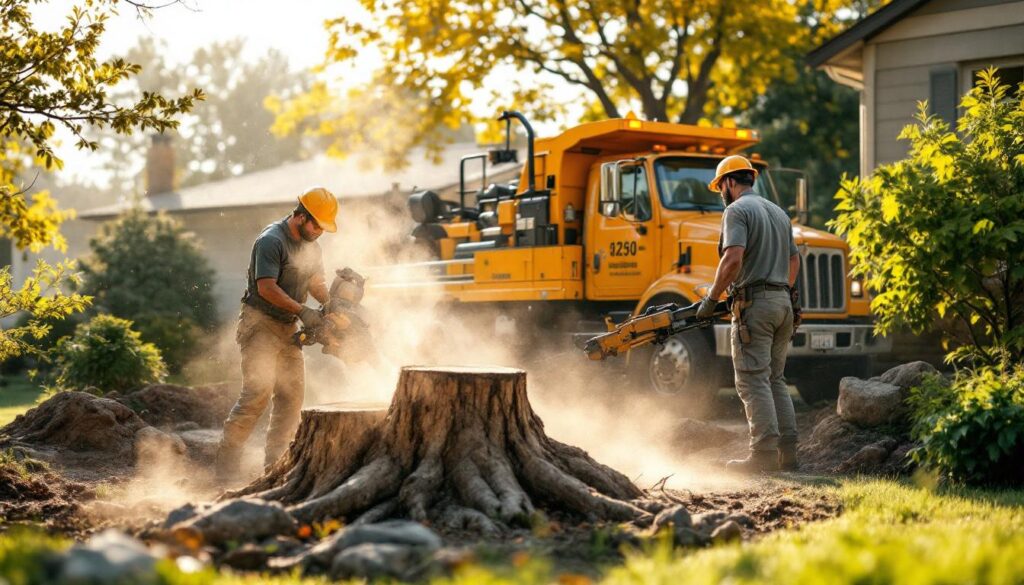
Licensed arborists in Sydney bring essential expertise to stump management decisions that homeowners and property managers often overlook. Professional tree services possess specialised knowledge about root systems, soil conditions, and potential complications that can arise during both grinding and removal processes. You need professionals who understand how different tree species develop their root networks and how these systems interact with surrounding infrastructure.
Certified tree specialists conduct thorough site assessments before recommending the most appropriate stump management method. These inspections evaluate factors such as:
- Proximity to utilities, foundations, and underground services
- Soil composition and drainage patterns
- Existing landscape features that require protection
- Species-specific root behaviour and decay rates
Licensed professionals carry comprehensive insurance coverage that protects you from liability during stump management operations. Their equipment meets safety standards, and their operators receive ongoing training in proper techniques and hazard identification.
Certified arborists provide detailed maintenance recommendations that extend beyond immediate stump concerns. They assess surrounding vegetation health, identify potential pest issues, and suggest preventative measures to protect your remaining landscape investments. Their expertise proves particularly valuable when dealing with heritage trees or properties subject to council regulations.
Professional services also handle permit applications and compliance requirements, ensuring your stump management project meets local authority standards without delays or complications.
Cost Comparison Between Stump Grinding and Removal Methods
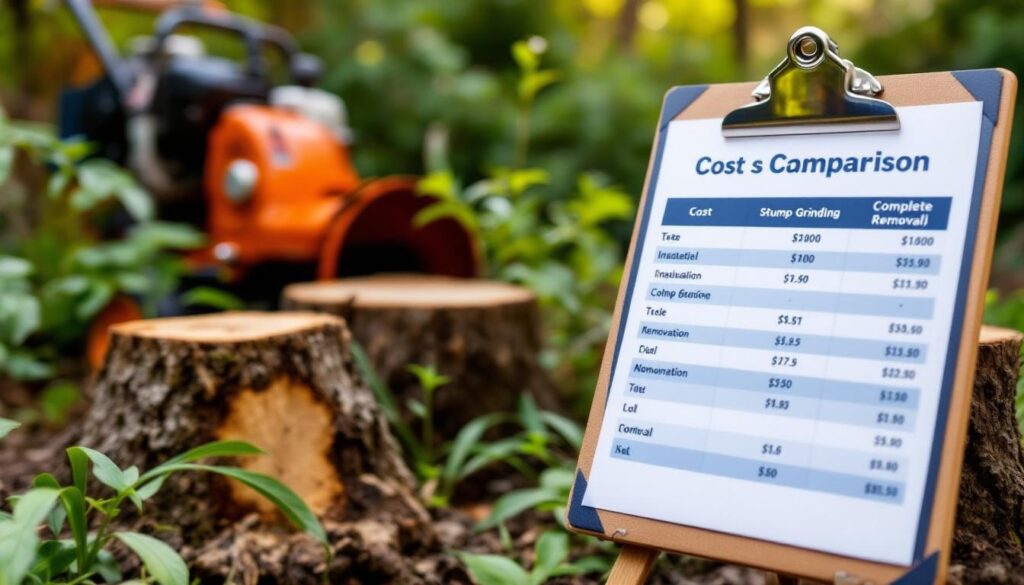
Understanding the cost factors stump grinding vs removal helps you make an informed financial decision for your property. Stump grinding typically ranges from £150-£400 per stump, depending on diameter and accessibility. The process requires specialised grinding equipment and skilled operators, but labour costs remain relatively low due to the efficiency of modern machinery.
Complete stump removal costs significantly more, often £300-£800 per stump. The higher price reflects the intensive labour requirements, heavy excavation equipment rental, and extended timeframes. You’ll face additional expenses for:
- Site restoration: Filling large holes with soil and levelling
- Landscape repair: Reseeding or replanting damaged areas
- Debris disposal: Hauling away root systems and excess soil
Grinding produces wood chips that serve as valuable mulch, potentially offsetting some costs. Removal creates substantial waste requiring professional disposal services. The equipment usage differs dramatically—grinding uses compact, efficient machines whilst removal demands excavators and multiple crew members. Your budget considerations should include both immediate service costs and long-term site restoration expenses when evaluating Tree Stump Grinding vs. Removal: Which Option Is Best for You?
Environmental Impact Considerations in Tree Care Practices
Environmental considerations tree care practices play a crucial role in determining the ecological footprint of your stump management decision. Stump grinding offers significant environmental advantages through its sustainable approach to waste management. The wood chips produced during grinding serve as valuable organic mulch that enriches soil quality, retains moisture, and suppresses weed growth naturally.
The grinding process creates minimal soil disturbance, preserving the existing ecosystem around your property. Underground root systems decompose naturally over time, contributing organic matter to the soil structure whilst maintaining beneficial microorganisms and earthworm populations.
Stump removal presents a different environmental profile with more intensive soil disruption. The excavation process disturbs larger areas of earth, potentially affecting nearby plant roots and soil composition. However, complete removal eliminates the risk of pest attraction and disease spread that decomposing stumps might harbour.
- Grinding benefits: Recyclable wood chips, minimal soil disruption, natural decomposition
- Removal impacts: Soil disturbance, potential ecosystem disruption, immediate site clearance
Professional arborists from certified services like Arbor Pride can assess your property’s specific environmental needs and recommend the most ecologically responsible approach for your situation.
Conclusion
Choosing the best stump management option requires careful evaluation of your specific circumstances and priorities. Your decision between grinding and removal should align with three critical factors that will determine long-term satisfaction with your choice.
Budget constraints often serve as the primary deciding factor, with grinding typically offering a more cost-effective solution for most homeowners. However, you shouldn’t let initial costs overshadow future requirements that might make removal the smarter investment.
Future land use plans deserve equal consideration in your decision-making process. If you’re planning construction projects, extensive landscaping, or replanting in the same area, complete removal provides the clean slate you need. Grinding works perfectly when you simply want to eliminate the visual obstruction and prevent pest issues.
Aesthetic preferences also play a vital role in determining satisfaction with your chosen method. Consider how each option will impact your property’s appearance both immediately and over time.
Professional arborists can provide personalised assessments to help you weigh these factors against your specific situation, ensuring you make an informed decision that serves your property’s needs effectively.