

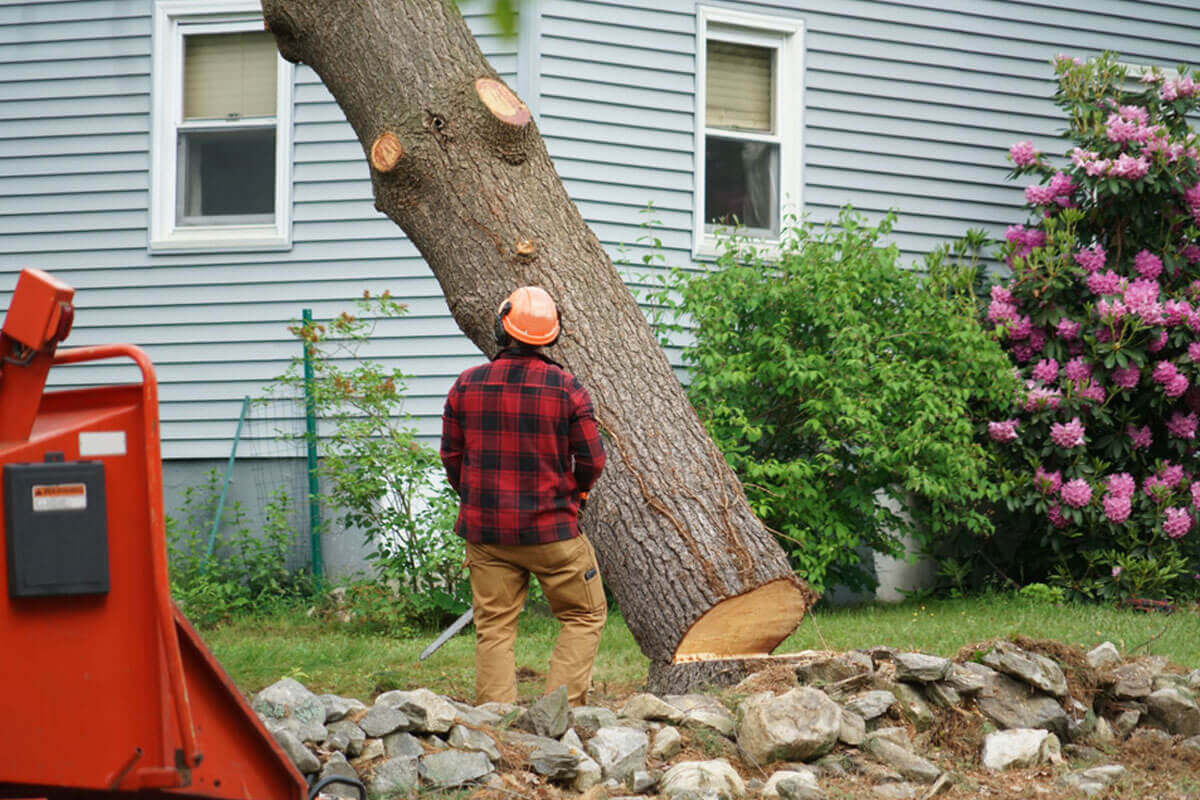
Tree removal is a topic often surrounded by myths and misconceptions, particularly in urban areas like Sydney, where the balance between nature and urban development is crucial. Understanding the realities of tree removal can help homeowners make informed decisions, ensuring the safety of their property and the well-being of their community. This article aims to debunk seven common myths about tree removal in Sydney, providing clarity and expert insights.
Myth 1: Tree Removal is Always Expensive
One of the most prevalent myths surrounding tree removal is the belief that it is prohibitively expensive. While costs can vary significantly based on several factors, including tree size and location, it is essential to understand the pricing structure.
In Sydney, the average tree removal cost Sydney is tiered according to the height of the tree. Small trees (up to 5 metres) typically range from $300 to $800, while medium trees (5–10 metres) can cost between $800 and $2,500. Large trees (10–20 metres) may set you back $2,500 to $5,000, and very large trees (over 20 metres) can exceed $5,000, sometimes reaching as high as $15,000 or more. Factors such as local regulations and terrain can also influence these costs, with some areas experiencing premiums of 10% to 25% above the median price.
While tree removal can be a significant investment, it is crucial to consider the potential risks associated with leaving a hazardous tree on your property. The long-term safety and peace of mind may justify the expense. Experienced companies such as Trees Down Under help property owners manage these risks through professional tree assessment and removal services.
Myth 2: All Trees Should Be Removed If They Are Dead or Dying
Another common misconception is that dead or dying trees should always be removed. While it is true that such trees can pose safety risks, not all dead trees need to be cut down immediately. In some cases, dead trees can provide valuable habitats for wildlife and contribute to the ecosystem.
Experts suggest evaluating the condition of the tree and its surroundings before making a decision. If a tree is dead but stable and poses no immediate threat to people or property, it may be better to leave it in place. However, if a tree is leaning precariously or has significant decay, removal may be necessary to prevent accidents.
Consulting with a certified arborist can provide valuable insights into whether a tree should be removed or if it can be preserved for ecological benefits.
See Also – Arborist Services Sydney: Do You Need a Council Permit First?
Myth 3: DIY Tree Removal is Safe and Easy
Many individuals believe that removing a tree is a straightforward task that can be tackled as a DIY project. However, this misconception can lead to serious accidents and injuries. Tree removal is a complex process that requires specialised skills and equipment.
Statistics indicate that tree removal accidents account for thousands of injuries annually in Australia, with DIY attempts representing a disproportionate number of serious incidents. Without the proper training, individuals may underestimate the risks involved, leading to dangerous situations.
Hiring a professional tree removal service ensures that the job is done safely and efficiently. Professionals are trained to assess the risks, use the right equipment, and follow safety protocols to minimise hazards.
Myth 4: Tree Topping is a Good Way to Manage Tree Size
Tree topping, or the practice of cutting off the top of a tree to reduce its height, is often mistakenly viewed as an effective method for managing tree size. However, this practice can lead to a host of problems.
Experts warn that topping trees can result in weak regrowth, increased susceptibility to decay, and a higher risk of pest infestations. Instead of promoting healthy growth, topping can severely damage the tree’s structure and overall health.
A better approach to managing tree size is to consult with an arborist who can recommend proper pruning techniques that maintain the tree’s health while achieving the desired height.
Myth 5: Tree Removal Has No Environmental Impact
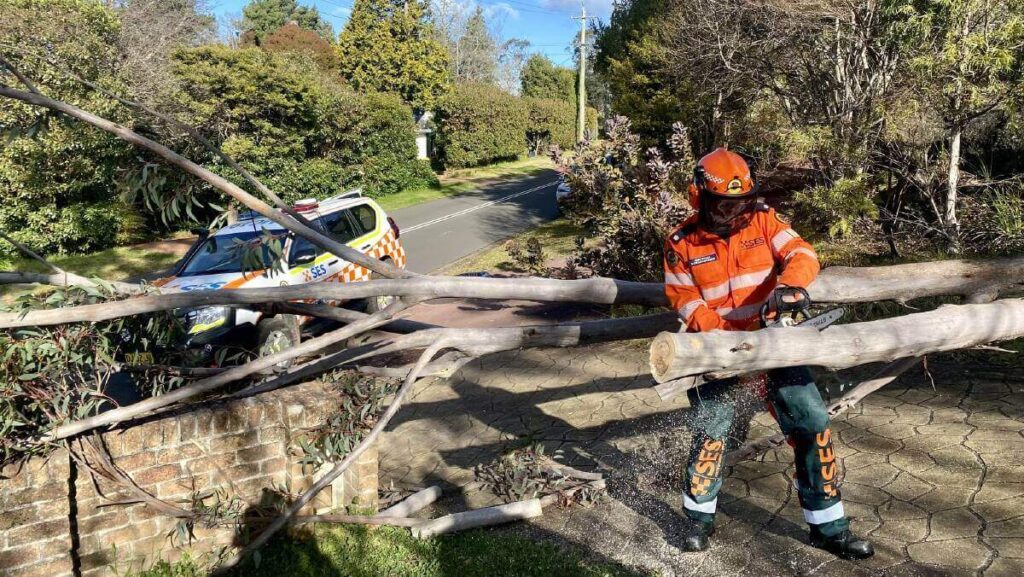
Many people believe that removing a tree has little to no impact on the environment. However, this is far from the truth. Trees play a vital role in urban ecosystems, providing shade, improving air quality, and supporting biodiversity.
A recent study titled “Tree removals as socioecological experiments in cities” highlights the significant impacts of urban tree removal on community well-being and ecosystem functions. Removing trees can disrupt local wildlife habitats and contribute to increased urban heat, affecting the overall quality of life in the area.
Before deciding to remove a tree, it is essential to consider the potential environmental consequences. In some cases, alternatives such as tree pruning or relocation may be more beneficial for both the property owner and the environment.
Myth 6: All Trees Are Dangerous
While it is true that some trees can pose dangers, not all trees are inherently hazardous. Many trees are healthy and stable, providing numerous benefits to the environment and the community.
It is crucial to assess the condition of each tree individually. Trees can become dangerous over time, especially if they are dead, dying, or leaning precariously. Regular inspections by a qualified arborist can help identify potential risks and determine whether a tree requires removal.
Maintaining healthy trees through proper care and management can significantly reduce the likelihood of danger. This includes regular pruning, monitoring for pests, and ensuring adequate water and nutrients.
Myth 7: Tree Removal is Always the Best Solution
Finally, a common misconception is that tree removal is the best or only solution to tree-related issues. While removal may be necessary in some cases, it is not always the best course of action.
There are various alternatives to consider, such as pruning, cabling, or even relocating a tree. These methods can often resolve issues without the need for removal, preserving the benefits that trees provide.
Engaging with a professional arborist can help homeowners explore all available options. They can assess the specific situation and recommend the most appropriate course of action, ensuring that the decision made is in the best interest of both the property and the environment.
Conclusion
Understanding the realities of tree removal in Sydney is essential for homeowners looking to maintain their properties safely and responsibly. By debunking these common myths, individuals can make informed decisions that prioritise both safety and environmental health. Consulting with professionals and considering the broader implications of tree removal can lead to better outcomes for both the community and the ecosystem.
Frequently asked questions
No, tree removal costs vary depending on the tree’s height, location, and accessibility. Small trees may cost a few hundred dollars, while larger or more complex removals can cost thousands.
Not always. Some dead trees provide ecological benefits, such as wildlife habitats. A certified arborist can help determine whether a tree poses a risk or can be left in place safely.
DIY tree removal is not recommended, as it can be dangerous without proper training and equipment. Hiring a professional arborist ensures safety and compliance with local regulations.
Yes. Removing trees affects shade, biodiversity, air quality, and local ecosystems. Homeowners should consider alternatives like pruning or relocation before removing a tree.
Not necessarily. Alternatives such as pruning, cabling, or relocation may be more effective while preserving the tree’s benefits. Consulting with an arborist helps in making the right choice.
Key factors include the tree’s height, diameter, location, access difficulty, surrounding structures, and any council regulations in the area.
Certified arborists and licensed tree removal companies provide safe, compliant, and eco-friendly solutions tailored to your property’s needs.