Choosing between tree lopping and tree pruning in Sydney comes down to one thing: what problem they are trying to solve. Pruning is usually the better long-term option for tree health and structure, while lopping is typically a last resort when immediate size reduction or risk removal is the priority.
Both approaches can be legal, safe, and effective when done correctly. But both can also create expensive problems if the wrong method is used on the wrong tree.
What is tree lopping in Sydney?
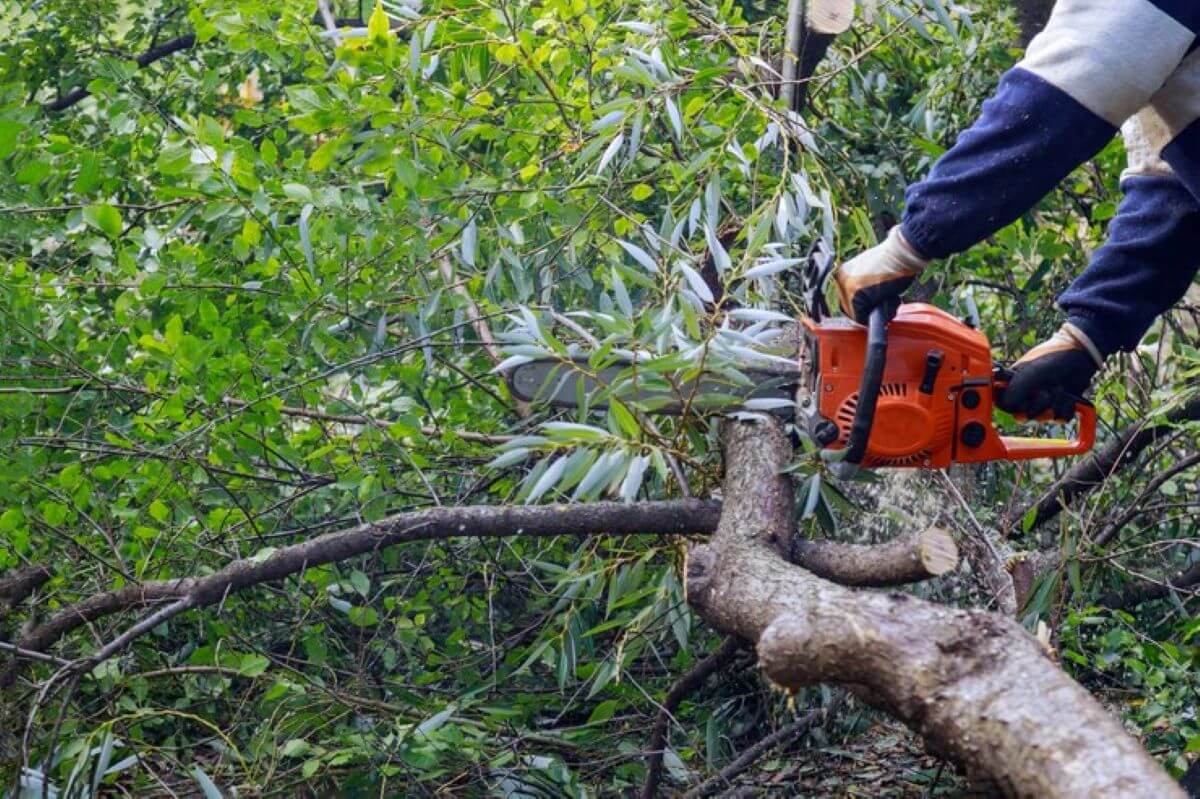
The tree lopping service Sydney typically involves the removal of large branches or the top of a tree to reduce height and spread quickly. It is often used when someone wants an immediate visual reduction or believes a tree is “too big”.
In practice, lopping is a blunt method. It can leave large wounds, trigger weak regrowth, and increase ongoing maintenance. In many cases, it is not considered best practice for healthy trees. When trees become structurally unsafe or unsuitable for retention, professional solutions can be found through https://treesdownunder.com.au/tree-removal.
What is tree pruning in Sydney?
Tree pruning is the selective removal of branches to improve safety, shape, clearance, and the tree’s overall health. The goal is controlled, targeted cuts that work with the tree’s natural structure.
Pruning can reduce risk without shocking the tree. When performed properly, it encourages strong growth, reduces deadwood, and helps the canopy develop evenly over time.
Which is better for tree health: lopping or pruning?
Pruning is generally better for tree health because it preserves structure and minimises stress. Clean, well-placed cuts help the tree seal wounds and maintain stable growth.
Lopping can harm tree health when it removes too much canopy at once or leaves large exposed cuts. That stress can lead to decay, sunburn on newly exposed limbs, and dense regrowth that is weaker and more likely to fail later.
Which is better for safety and risk reduction?
Pruning is usually better for safety because it removes specific hazards such as dead, cracked, rubbing, or overextended limbs. It can also improve wind flow through the canopy, reducing storm load.
Lopping can appear to improve safety by making the tree smaller, but it may increase risk over time. Rapid regrowth after lopping often produces heavy, poorly attached shoots that can break in wind, creating repeat hazards. To understand the risks of unqualified tree work, read why it is important to hire certified tree arborists.
Which looks better: lopped trees or pruned trees?
Pruned trees generally look more natural and balanced because the cuts are designed to follow growth patterns. A well-pruned canopy keeps its shape while still creating clearance and light.
Lopped trees often look harsh or uneven, with flat tops or stubs. Some trees never regain an attractive form, and repeated lopping can create a cycle of ugly regrowth followed by more severe cutting.
Which lasts longer before they need more work again?
Pruning typically lasts longer because it guides growth rather than forcing emergency regrowth. Many trees can go longer between visits if pruning is done correctly and timed well.
Lopping often creates faster regrowth, meaning the tree may need more frequent cutting to keep the same size. That can increase costs and raise the chance of structural weakness over time.
When might tree lopping be the better option in Sydney?
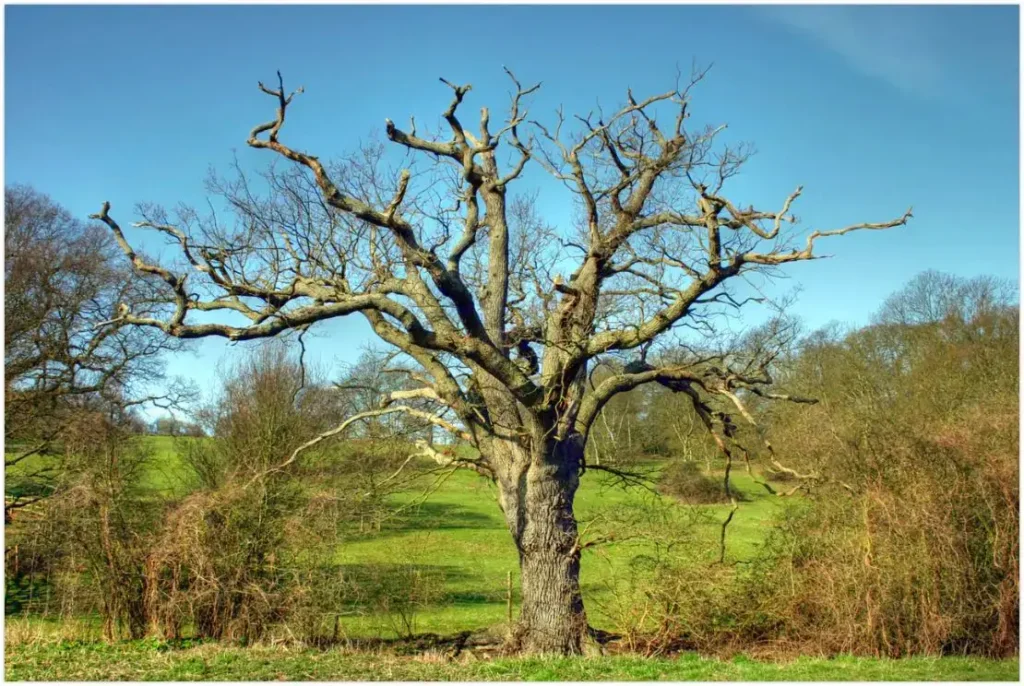
Lopping may be chosen when there is an immediate need to reduce size due to safety concerns, damage, or access issues, and there is no better alternative in the short term. It may also occur where a tree has already been heavily modified in the past and options are limited.
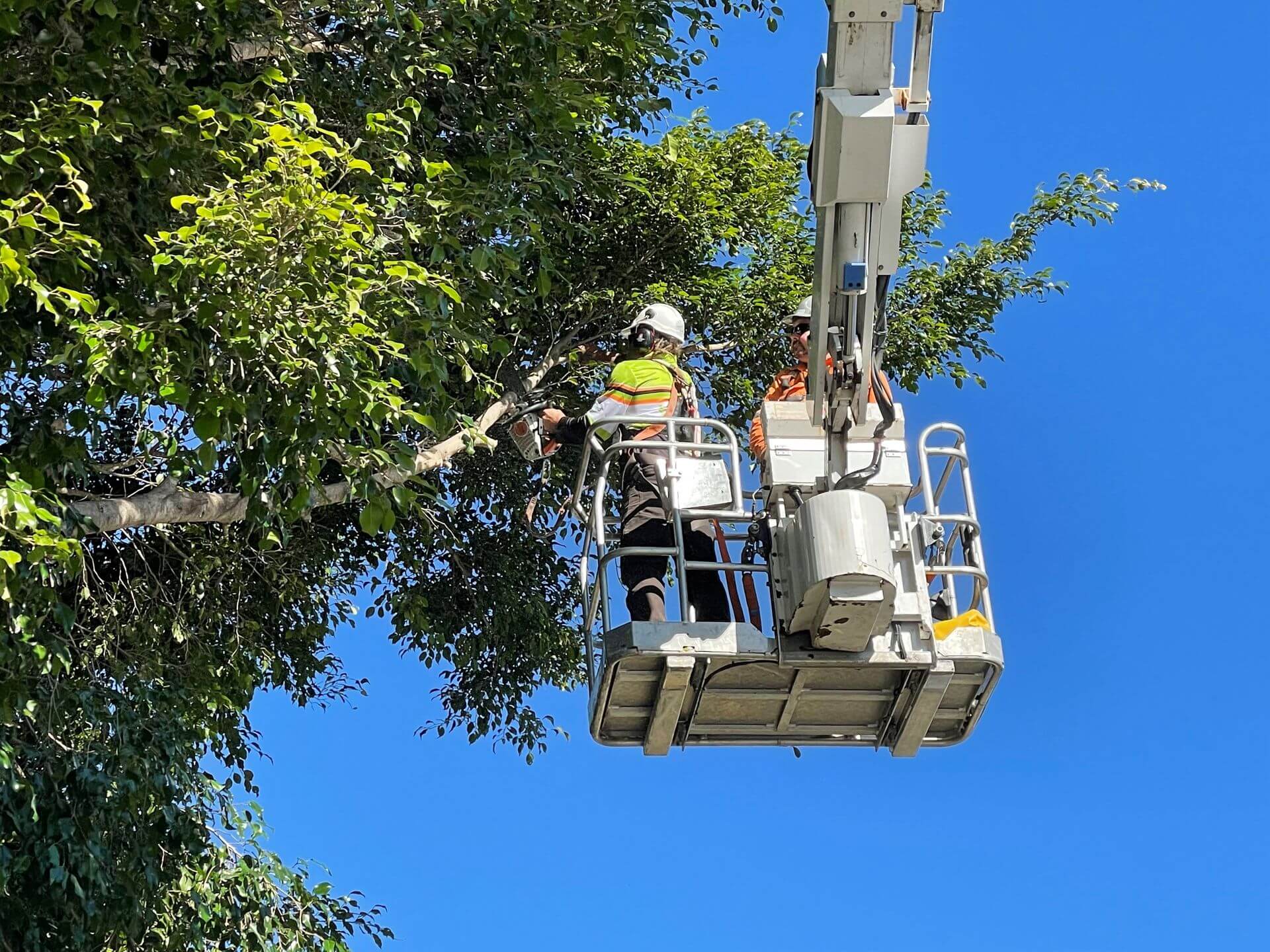
Even then, a qualified arborist will usually consider alternatives first, such as reduction pruning, selective removal, or staged works. If lopping is proposed, they should explain the risks and the expected maintenance plan. Learn more about when tree removal is the best way of managing the dead or dying tree.
When is tree pruning the clear winner?
Pruning is the clear winner when the goal is to keep a tree healthy, safe, and attractive while managing growth. It suits common Sydney needs such as clearance from roofs, power lines, fences, driveways, and neighbours’ gardens.
It is also preferred for improving tree structure, removing deadwood, reducing limb weight, and shaping young trees. For most residential properties, pruning delivers the best balance of safety and long-term value. Click here to get more about how repairing tree injury is important for overall tree health.
How do costs compare between lopping and pruning?
Lopping can seem cheaper upfront because it is often quicker and more drastic. However, it may lead to more frequent follow-up work, a higher risk of failure, and potential tree decline, which can increase long-term costs.
Pruning can cost more per visit when it is detailed and selective, but it often reduces the need for repeated cutting. Over time, a planned pruning cycle is commonly the more cost-effective approach.
What should they ask a Sydney arborist before choosing?
They should ask what outcome the work is aiming for, and whether pruning can achieve the same result without lopping. They should also ask how much canopy will be removed and what impact that will have over the next 12 to 24 months.
It is also sensible to ask about council rules, protected trees, and whether approvals are needed. A reputable arborist will explain options clearly, not just offer the most aggressive cut.
So, which is better: tree lopping or tree pruning in Sydney?
Tree pruning is better in most cases because it supports tree health, a safer structure, and a cleaner look with fewer future problems. Tree lopping is usually only “better” when there is an urgent need for size reduction and one is willing to accept the trade-offs.
If they want the best result, they should treat lopping as an exception and pruning as the standard. A qualified Sydney arborist can assess the tree, the site, and local constraints, then recommend the safest method that protects both the property and the tree.
FAQs (Frequently Asked Questions)
What is the difference between tree lopping and tree pruning in Sydney?
Tree lopping involves removing large branches or the top of a tree to quickly reduce its height and spread, often resulting in large wounds and weak regrowth. Tree pruning is the selective removal of branches to improve safety, shape, clearance, and overall tree health through controlled cuts that support the tree’s natural structure.
Which method is better for maintaining tree health in Sydney: lopping or pruning?
Tree pruning is generally better for maintaining tree health because it preserves the tree’s structure and minimises stress. Pruning encourages strong growth, helps seal wounds effectively, and supports stable development. In contrast, lopping can cause harm by removing too much canopy at once and leaving large exposed cuts that lead to decay and weak regrowth.
How do tree lopping and pruning compare in terms of safety and risk reduction?
Pruning is typically better for safety as it targets specific hazards like dead or overextended limbs, improves wind flow through the canopy, and reduces storm damage risk. While lopping may seem to reduce size quickly, it often results in heavy, poorly attached shoots that increase long-term hazards due to rapid regrowth.
What are the visual differences between pruned trees and lopped trees in Sydney?
Pruned trees tend to look more natural and balanced because cuts follow growth patterns, maintaining canopy shape while providing clearance and light. Lopped trees often appear harsh or uneven with flat tops or stubs, sometimes never regaining an attractive form due to repeated severe cutting cycles.
When might tree lopping be considered necessary over pruning in Sydney?
Tree lopping may be necessary when immediate size reduction is required due to urgent safety concerns, damage, or access issues, especially if alternatives like reduction pruning aren’t viable. It may also be considered if a tree has been heavily modified previously. Even then, a qualified arborist should evaluate options and explain risks before proceeding.
How do costs of tree lopping compare with pruning in Sydney over time?
While lopping might appear cheaper upfront due to its quick and drastic nature, it often leads to more frequent maintenance, higher failure risks, and potential decline of the tree, increasing long-term expenses. Pruning typically costs more per visit but reduces the need for repeated work, making it a more cost-effective approach over time when done correctly.